
How Emotion Recognition Apps are Revolutionizing Self-Help
The Rise of Emotion Recognition Apps
In recent years, emotion recognition apps have emerged as a powerful tool in the realm of self-help and personal development. These apps leverage advanced algorithms and artificial intelligence to analyze facial expressions, voice tones, and even text inputs to gauge a user’s emotional state. This innovative technology is reshaping how individuals understand and manage their emotions, paving the way for more personalized and effective self-help strategies.
The ability to detect emotions accurately has traditionally been the domain of trained psychologists and therapists. However, with emotion recognition apps, users now have immediate access to insights about their emotional well-being. This democratization of emotional intelligence is allowing more people to take charge of their mental health, leading to improved overall wellness.

How Emotion Recognition Works
Emotion recognition technology employs machine learning algorithms to interpret various data points. By analyzing facial expressions through a camera, detecting vocal inflections via microphones, or assessing language patterns in written communication, these apps can determine emotional states such as happiness, sadness, anger, or fear.
Through detailed feedback, users can gain a clearer understanding of their emotional triggers and how their feelings fluctuate throughout the day. This insight is crucial for identifying patterns and developing strategies to manage emotions more effectively.
Practical Applications in Daily Life
Emotion recognition apps are not just about understanding emotions; they also offer practical applications in everyday life. Many apps provide real-time feedback that can help users adjust their behavior or responses in challenging situations. This immediate insight can be especially beneficial in high-stress environments such as work or social interactions.
For instance, if an app detects rising stress levels during a meeting, it might suggest breathing exercises or a short break to help the user regain composure. These small but impactful interventions can lead to significant improvements in emotional regulation and personal productivity.

Enhancing Self-Help Strategies
Incorporating emotion recognition into self-help strategies allows individuals to tailor their approaches based on real-time data. By understanding emotional patterns, users can set more realistic goals and track their progress more effectively. This personalized approach ensures that self-help strategies are not just theoretical but grounded in the user’s actual experiences.
Moreover, some apps integrate with other wellness tools, such as meditation or mindfulness platforms, providing a holistic approach to self-care. By offering suggestions that align with the user's emotional state, these integrations can enhance the efficiency of self-help practices.
The Future of Emotion Recognition in Self-Help
The potential for emotion recognition technology in self-help is vast. As algorithms become more sophisticated and capable of detecting subtler emotional cues, the accuracy and utility of these apps will continue to improve. This evolution promises even more nuanced insights into emotional health, enabling users to tackle complex emotional challenges with greater precision.
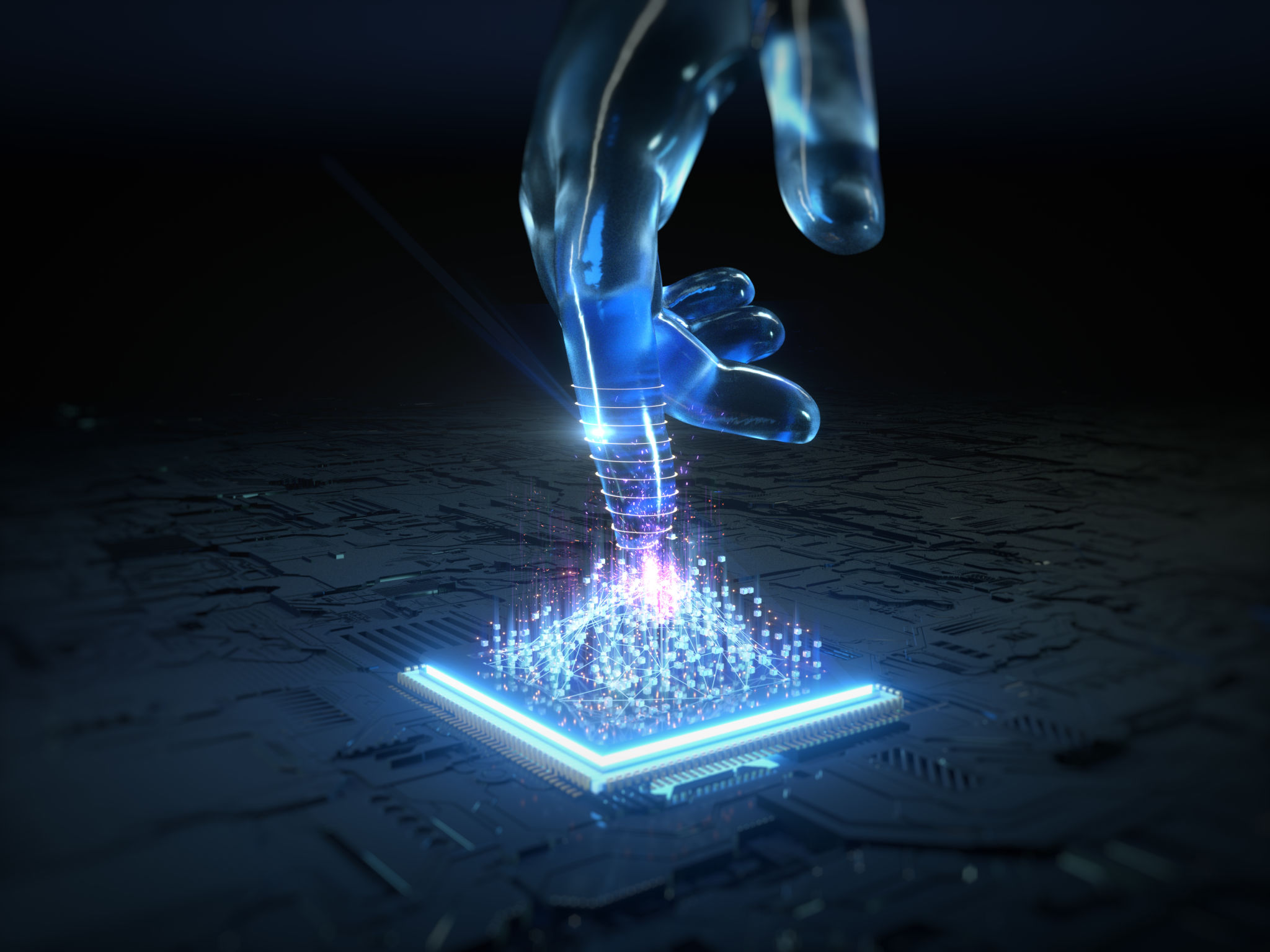
Furthermore, as privacy concerns are addressed and data security measures strengthened, these apps will likely become an integral part of everyday life for those seeking to enhance their emotional intelligence. The future may even see emotion recognition integrated into wearable technology, providing continuous feedback and support for emotional well-being.
Conclusion
Emotion recognition apps are revolutionizing the self-help landscape by providing accessible tools for understanding and managing emotions. As this technology continues to advance, it holds the promise of transforming personal development strategies and empowering individuals to lead healthier, more emotionally balanced lives.