
Mindly vs Traditional Journaling: Why Video Journals Might Be Better for You
Embracing Technology in Journaling
In recent years, the practice of journaling has evolved significantly with the advent of digital tools. Among these advancements is the rise of video journaling platforms like Mindly, which offer a dynamic alternative to traditional pen-and-paper journaling. As we delve into the benefits and drawbacks of each, you may find that video journals could be a better fit for your lifestyle and personal growth.

The Limitations of Traditional Journals
Traditional journaling involves writing down thoughts and experiences, which has been a time-honored method for self-reflection and emotional processing. However, it comes with its own set of limitations. For instance, handwriting can be slow, potentially hindering the flow of ideas. Additionally, the physical nature of traditional journals makes them less accessible when you’re on the go.
For many, finding the time to sit down and write can be a challenge in itself. The need for a quiet space and a dedicated moment can often deter individuals from maintaining a consistent journaling habit. This is where video journals offer a promising alternative.
The Advantages of Video Journaling
Video journaling with platforms like Mindly allows users to capture thoughts and emotions in real-time, offering a more immediate and immersive experience. This method can be especially beneficial for those who express themselves better verbally than through writing. The ability to record emotions visually adds another layer of depth to personal reflection.
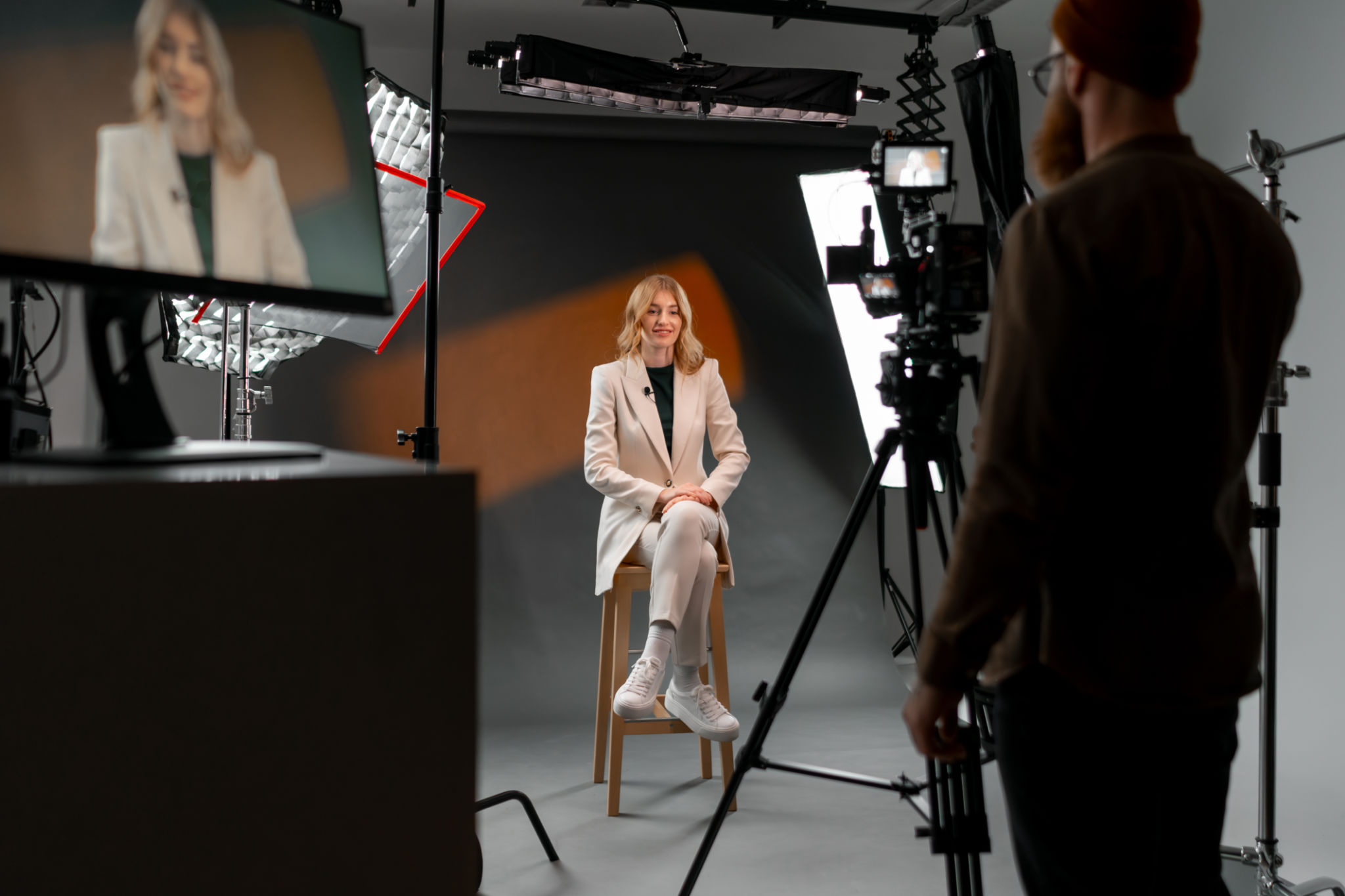
Moreover, video journals can be easily accessed and recorded on smartphones or tablets, making it convenient to document your thoughts wherever you are. This ease of access encourages frequent entries, fostering a more consistent journaling habit.
Engaging Multiple Senses
One of the unique advantages of video journaling is its ability to engage multiple senses. By incorporating visual and auditory elements, video journals create a richer tapestry of memories and emotions. This multisensory approach can enhance memory retention and make revisiting past entries a more vivid experience.
Additionally, video journals allow for the inclusion of other multimedia elements, such as music or images, which can further enrich the storytelling aspect of your entries.

Privacy and Security Considerations
While video journaling offers numerous benefits, it is important to consider privacy and security aspects. Traditional journals can be locked away physically, whereas digital platforms require secure passwords and encryption to protect sensitive content.
Mindly and similar platforms often offer built-in security features to safeguard your entries. However, it's crucial to regularly update your security settings and stay informed about privacy policies to ensure your personal reflections remain confidential.
Choosing the Right Method for You
Ultimately, the best journaling method depends on your personal preferences and lifestyle. If you value the tactile experience of writing and enjoy dedicating quiet time for reflection, traditional journaling might suit you best. On the other hand, if you're seeking convenience, engagement, and a dynamic way to capture your thoughts, video journaling could be the way forward.
- Consider your comfort with technology.
- Reflect on how you express yourself best—verbally or in writing.
- Evaluate how often you wish to journal and what medium facilitates that frequency.
Both traditional and video journaling have unique advantages that cater to different needs. By exploring both methods, you can find a balance that complements your personal development journey.